
When You Open the Door and Instantly Regret It
There’s a very specific moment landlords don’t talk about much.
You open the door, step inside, and your brain just… stops for a second.
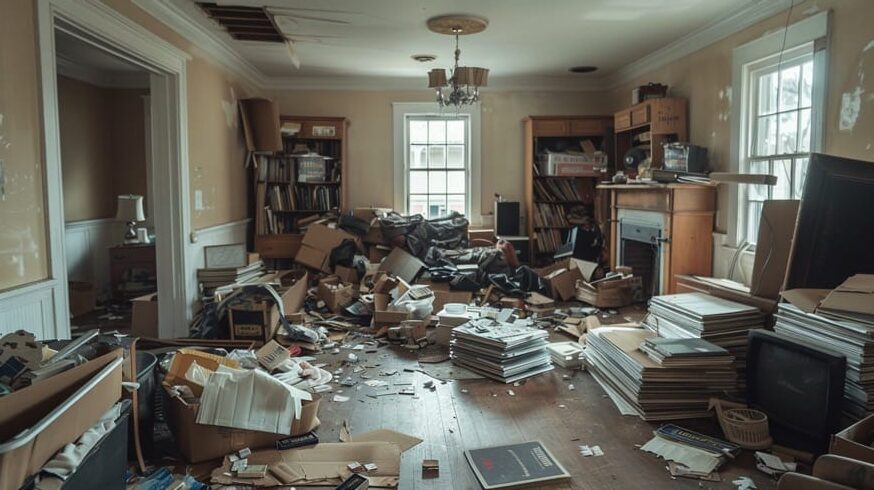
The smell hits first. Then the visual overload. Old couches. Mattresses leaned against walls. Trash bags that definitely didn’t come from a single weekend. Maybe even signs of hoarding. Or worse—things you don’t want to touch, move, or even identify.
This is what a tenant abandonment cleanup actually feels like. Not like a checklist. Like emotional whiplash.
And the hardest part? It feels total. Like there’s no clear starting point. Every room leads to another room. Closets are full. The garage is worse. The backyard somehow became a dumping ground.
At this stage, most property owners aren’t thinking strategically. They’re thinking:
- “How did this even happen?”
- “Where do I start?”
- “Is this going to be a nightmare?”
Totally fair questions.
Why Ignoring the Mess Costs You More Than You Think
When a rental is left in chaos, it’s tempting to close the door and deal with it “later.” But later gets expensive fast.
Lost Rental Income and Delayed Turnover
Every day a unit sits unusable is a day it’s not earning. No rent coming in. Mortgage, taxes, insurance still going out. And mentally? It’s just sitting there, taking up space in your head.
A delayed rental turnover doesn’t just slow your business—it drags on you emotionally. You can’t move forward until the mess is gone.
Health, Safety, and Liability Risks in Abandoned Units
There’s also the stuff people don’t like to think about until they’re already dealing with it:
- Pests nesting in piles of trash
- Mold hiding behind furniture
- Broken glass, sharp metal, biohazards
- Structural issues you can’t even see yet
At some point, a rental unit becomes uninhabitable, and walking through it without proper protection is risky. This isn’t just about inconvenience—it’s about safety and liability.
Don't lose income due to a former tenant.
Let us help you turn the property around in half the time.
Can You Throw This Away? Understanding Tenant Abandonment Rules
This is where fear really sets in. Because even if the place looks like a landfill, a lot of landlords hesitate and think: “Am I even allowed to get rid of this?”
When a Landlord Can Remove Tenant Belongings
Here’s the short version (and yes, laws vary by state):
In most cases, once a tenant has clearly abandoned the property—or after an eviction is finalized—you’re allowed to remove items after following proper notice and documentation requirements.
What trips people up is acting too fast without records. Photos matter. Written timelines matter. Knowing your local abandonment rules matters.
This is why many landlords freeze. They’re afraid of throwing away something they “weren’t supposed to.”
How to Avoid Legal Trouble During an Eviction Cleanout
A few smart moves that protect you:
- Document the condition before anything is moved
- Confirm abandonment or eviction status
- Don’t personally rummage through belongings
- Use a professional service that understands post-eviction cleanup rules
This isn’t legal advice, but it is the difference between confidence and constant second-guessing.
The Real-World Process of Reclaiming a Trashed Rental
Let’s talk about what actually works, not what sounds good on paper.
Step 1 – Assess the Full Scope (Not Just What You See)
The biggest mistake? Underestimating the mess. That couch in the living room? There’s usually more behind it. Closets hide entire lives. Garages and sheds are where things go to disappear.
A proper assessment means checking:
- Every room
- Storage areas
- Outdoor spaces
Most “quick cleanups” fail because they didn’t see the whole picture.
Step 2 – Sorting, Removal, and Disposal
This is where things move from overwhelming to manageable.
A proper full property cleanout service doesn’t just haul everything to the dump. Items are typically sorted into:
- Junk and trash
- Recyclables
- Donatable items (when appropriate)
This matters for cost, legality, and peace of mind. It’s also why professional junk removal for rentals moves faster—you’re not making a hundred micro-decisions along the way.
Step 3 – Final Sweep Toward a Rent-Ready Property
Once the junk is gone, something shifts. You can see the floors. The walls. The actual size of the rooms.
This is the moment where “empty” becomes possible—and where real progress starts. Now you can clean, repair, photograph, and plan.
DIY Cleanup vs. Professional Junk Removal for Rentals
A lot of landlords ask this question quietly. “Should I just do this myself?”
When DIY Makes Sense—and When It Doesn’t
DIY might work if:
- The mess is small
- There are no safety concerns
- You have time, help, and equipment
But eviction cleanouts are rarely small. They’re heavy. Emotional. Time-consuming. And they always take longer than expected. One weekend turns into three. Suddenly your back hurts, your patience is gone, and the unit still isn’t empty.
What Professional Junk Removal Actually Solves
A professional apartment cleanout after eviction does a few critical things:
- Handles the entire scope in hours, not weeks
- Removes emotional labor from the process
- Eliminates hauling, sorting, and disposal logistics
- Keeps you out of the mess—literally
For most landlords, it’s not about convenience. It’s about speed, clarity, and getting their life back.
From Empty to Rent-Ready: What Comes Next
This is where hope finally shows up.
Preparing the Property for New Tenants or Showings
Once the junk is gone, everything changes.
You can:
- Deep clean properly
- Schedule repairs
- Take listing photos
- Bring in contractors without obstacles
A rent-ready property checklist suddenly makes sense when the space isn’t buried under someone else’s leftovers.
How Fast Turnover Restores Cash Flow and Peace of Mind
Fast cleanup means faster listings. Faster listings mean:
- Reduced vacancy time
- Earlier rent payments
- Less mental clutter
The property stops feeling like a burden and starts acting like an asset again.
Need help speeding up your turnover?
Let us help get your property rent-ready, fast!
Common Questions Landlords Ask After a Tenant Leaves a Mess
How long does a full rental property cleanout take?
Most cleanouts are completed same-day, depending on volume and access.
Do I need to be present?
Usually no. Many landlords prefer not to be—and that’s fine.
What happens to items left behind?
They’re handled according to local rules and best practices, with documentation.
How soon can I list the property again?
Often immediately after cleanup, once cleaning or repairs are done.
The Relief of Walking Into a Clean, Empty Unit
This is the part people don’t talk about enough.
That first walk-through after everything is gone? Quiet. Neutral. Almost peaceful. You’re no longer reacting, you’re choosing what comes next.
That emotional weight—the frustration, anger, disbelief—it lifts. And suddenly, the whole situation feels manageable again.
Ready to Reclaim Your Property Without the Headache?
If a tenant or previous owner left a disaster behind, the goal isn’t just removing junk. It’s reclaiming control. Protecting your time. And getting your property back to doing what it’s supposed to do, work for you.
The faster the mess is gone, the faster everything else falls back into place. And honestly? That relief is worth more than the cleanup itself.