

A Step-by-Step Guide for Landlords and Property Managers
You walk into a vacated unit expecting an empty canvas and instead, you find a sagging couch, a busted dresser, and a mystery mattress that’s seen better days. Sound familiar? You’re not alone.
Abandoned furniture is one of the most frustrating situations a landlord or property manager can face. It delays turnovers, opens the door to legal liability, and costs you money you weren’t planning to spend. But here’s the good news: there’s a clear, proven process for handling it and when you follow it, you protect yourself legally, keep your timeline on track, and get your property ready for the next tenant fast.
In this guide, we’ll walk you through every step: from what to do the moment you discover the abandoned items, to how a professional junk removal service like Your Junk Hero can take the headache completely off your hands.
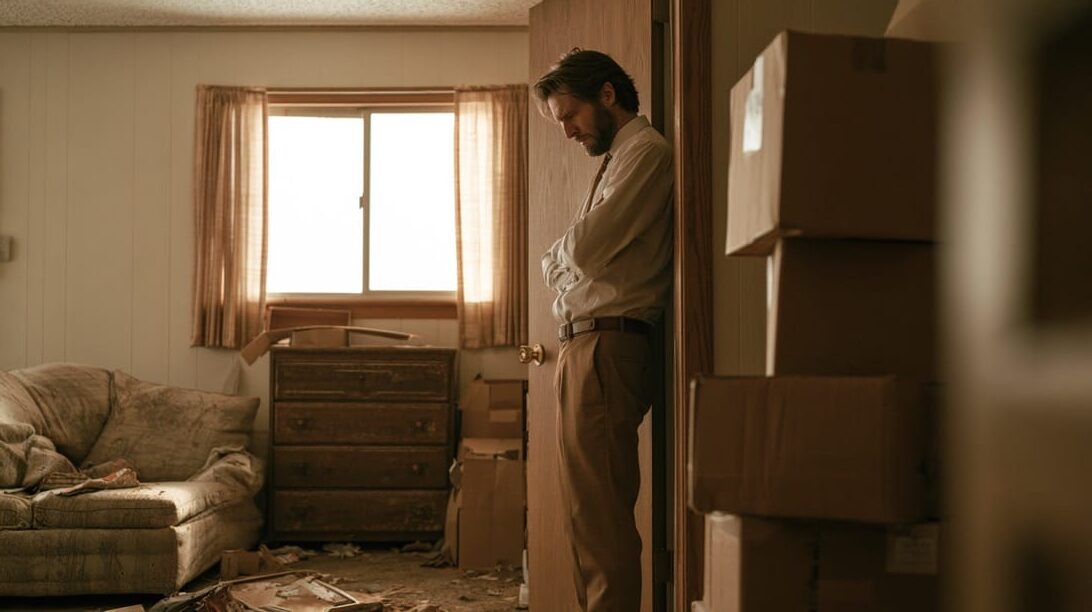
Why Tenants Leave Furniture Behind (And Why It’s Your Problem Now)
Before jumping into solutions, it helps to understand the “why.” Tenants abandon furniture for a variety of reasons:
- Sudden moves — job relocations, relationship breakdowns, or family emergencies that don’t allow time to pack everything out
- Cost avoidance — moving bulky items is expensive, and some tenants simply leave the bill for someone else
- Evictions — tenants who were forced out often leave belongings behind, either out of spite or circumstance
- Abandonment — in some cases, tenants simply disappear without notice
Regardless of the reason, the moment your tenant is gone, the clock starts ticking. Delays in handling abandoned property don’t just slow down your rental turnover, they can expose you to legal risk if you don’t follow proper procedure.
Step-by-Step: What to Do When a Tenant Leaves Furniture Behind
Step 1: Confirm the Tenant Has Actually Vacated
Before you touch a single item, make absolutely sure the tenancy is legally over. This seems obvious, but it’s a step landlords sometimes skip and it can create major problems.
- Verify the lease end date has passed, or confirm the tenant has formally surrendered possession
- Check for a signed move-out notice or written confirmation of departure
- Document the property’s condition with time-stamped photos and video immediately upon entry
- Note any keys, fobs, or access cards that have or have not been returned
If you’re dealing with an eviction, make sure the court order is fully executed before entering and removing any items. Prematurely touching belongings in an eviction scenario can expose you to claims of unlawful entry or property theft.
Step 2: Know Your State’s Abandoned Property Laws
This is the step most landlords underestimate. And it’s the one that matters most. Every state has specific laws governing how landlords must handle abandoned tenant property, and they vary significantly.
Common legal requirements include:
- Written notice to the tenant — Most states require you to notify the former tenant that their belongings have been left behind, typically via certified mail or email
- Mandatory waiting periods — Many states require you to store the items for a minimum number of days (often 15–30) before disposing of them
- Threshold values — Some states require items above a certain dollar value to be sold at auction rather than discarded
- Documentation — You may be required to create a written inventory of abandoned items
Pro Tip: Search your state’s landlord-tenant statutes or consult a local real estate attorney if you’re unsure of the rules in your jurisdiction. Getting this wrong can turn a minor inconvenience into a costly lawsuit.
Step 3: Attempt to Contact the Former Tenant
Once you’ve confirmed the vacancy and reviewed your state’s laws, make a documented attempt to reach the tenant.
- Send a certified letter to their last known address and any forwarding address on file
- Send an email if you have their address and use it as a follow-up
- Document every attempt — dates, methods, and responses (or lack thereof)
In your communication, clearly state:
- That they left personal property behind
- A description or inventory of the items
- A deadline by which they must claim the items
- Where the items are being stored (if applicable)
- What will happen if they don’t respond by the deadline
This step protects you legally and gives the tenant a fair opportunity to collect what’s theirs.
Step 4: Assess the Items — Keep, Sell, Donate, or Dump?
Once the notification period has passed with no response, you’re typically in the clear to act. Now it’s time to assess what’s actually there.
Sort items into four categories:
- Keep — Items of obvious high value that may need to be handled through a specific legal process (check your state law on this)
- Sell or Auction — Gently used furniture in good condition can sometimes be sold through estate sales or online marketplaces
- Donate — Local thrift stores, shelters, and nonprofit organizations may accept usable furniture in decent shape
- Dispose — Damaged, broken, stained, or unsanitary items that have no resale or donation value need to go
The reality? The vast majority of furniture left behind by tenants falls into that last category. Worn-out mattresses, broken bed frames, stained sofas, and aging appliances rarely have a second life. They just have a next stop: the landfill.
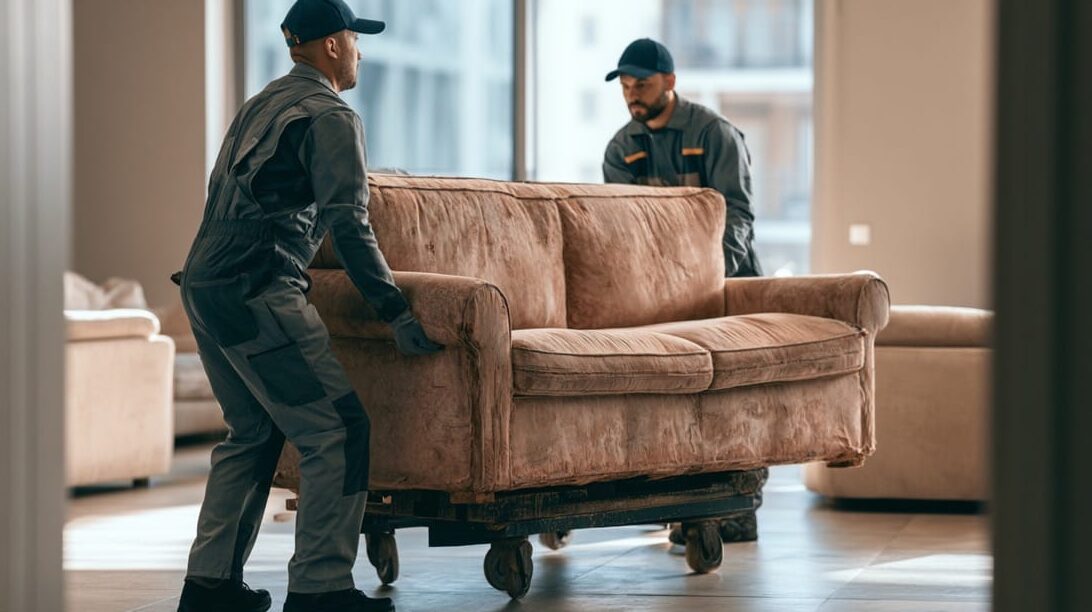
Step 5: Remove the Items Quickly and Professionally
This is where most landlords either lose time or lose money. Sometimes both.
Your options for removal:
DIY Removal
Renting a truck and doing it yourself can seem like the cheapest option, but factor in:
- Your time (and your team’s time)
- Vehicle rental and fuel costs
- Dump fees or transfer station costs
- Physical labor and potential injury risk
- Multiple trips for large or heavy items
Hauling It Yourself With Helpers
Fine for a single item or two, but impractical for a full unit cleanout, especially if there are appliances, mattresses, or heavy furniture involved.
Professional Junk Removal (The Smart Choice)
A professional junk removal company handles everything from start to finish:
- They supply the truck, the crew, and the labor
- They handle heavy lifting. No risk to you or your maintenance staff
- They responsibly dispose of, donate, or recycle items wherever possible
- They work fast, keeping your unit turnaround on schedule
At Your Junk Hero, we make this process even easier with upfront online pricing. No surprise fees, no haggling, no waiting for an estimate. You know exactly what you’re paying before we ever show up.
Step 6: Document Everything (Again)
After the unit has been cleared out, do a final walkthrough and document the cleared space.
- Take post-removal photos and video with timestamps
- Keep copies of all tenant communications, certified mail receipts, and written notices
- Retain any receipts from junk removal services for your records
- Note the date and method of final disposal in your property management files
This documentation protects you if a former tenant later claims their belongings were improperly handled or stolen. It’s your paper trail. Don’t skip it.
Step 7: Get the Unit Rent-Ready
With the furniture gone and the unit documented, you can finally move forward with your standard turnover process:
- Deep clean all surfaces, carpets, and fixtures
- Make any repairs related to damage caused by the abandoned items
- Deduct costs from the security deposit (where allowed by law), including documented removal costs
- List the unit and start screening new tenants
The faster you move through Steps 1–6, the sooner you’re back here, back to generating rental income instead of managing someone else’s leftovers.

How to Prevent This From Happening Again
The best abandoned-furniture situation is the one that never happens. Here’s how to reduce your risk with future tenants:
- Include a clause in your lease that explicitly defines what constitutes abandoned property, the timeline for disposal, and who bears the cost of removal… charged back against the security deposit
- Conduct a pre-move-out inspection with the tenant present, and give them a written list of everything they must remove before their move-out date
- Require a larger deposit in states where it’s legal to do so, particularly for furnished units or tenants without a strong rental history
- Use a move-out checklist that both you and the tenant sign, noting the expected condition of the unit and responsibility for all personal belongings
Frequently Asked Questions (FAQ)
Q: Can I just throw away items a tenant left behind?
A: Not necessarily, and not right away. Most states require landlords to provide written notice to the former tenant and observe a mandatory holding period before disposing of abandoned property. Skipping this step can expose you to liability. Always check your state’s specific laws first.
Q: Can I keep or sell furniture the tenant left behind?
A: It depends on your state and the value of the items. Some states allow landlords to keep or sell low-value items after the notice period expires. High-value items may need to be held for auction. When in doubt, consult a local attorney.
Q: Can I charge the tenant for the cost of removal?
A: Yes, in most cases. You can typically deduct reasonable removal and disposal costs from the security deposit. Make sure you document the costs with receipts and provide an itemized statement to the former tenant within your state’s required timeframe for returning deposits.
Q: What if the tenant claims they’re coming back for their stuff, but never does?
A: Document the communication. If they acknowledge the items but fail to retrieve them within the deadline you’ve provided (and your state’s required holding period), you’re generally within your rights to proceed with disposal.
Q: How fast can a junk removal company typically clear a unit?
A: For most apartment or rental home cleanouts, a professional crew can complete the job in a few hours. At Your Junk Hero, we can often schedule same-day or next-day appointments, so your turnover timeline stays on track.
Q: Is it worth donating the items instead of dumping them?
A: If the furniture is in usable condition, yes. And some junk removal services will handle donation drop-offs as part of the job. However, most tenant-abandoned furniture is in poor enough condition that it goes straight to disposal. A reputable junk removal company will sort that out for you.
Don’t Let Abandoned Furniture Hold Your Rental Business Hostage
Every day a unit sits cluttered with a former tenant’s furniture is a day it’s not generating income. Between legal compliance, physical removal, and the mental bandwidth it drains, abandoned furniture is one of the more frustrating parts of property management.
But it doesn’t have to be.
Your Junk Hero specializes in fast, professional, hassle-free property cleanouts for landlords and property managers. With transparent, upfront online pricing, no guesswork, no hidden fees. You’ll know exactly what the job costs before we arrive. Our experienced crew handles the heavy lifting, responsible disposal, and efficient removal so you can focus on what matters: getting your unit turned around and rented.
Ready to clear it out? Get your instant online price at and book a cleanout that works around your schedule — same-day and next-day availability often on hand.
Your tenants left the furniture. We’ll make it disappear.
Disclaimer: This article is intended for general informational purposes only and does not constitute legal advice. Landlord-tenant laws vary by state and locality. Consult a qualified attorney in your jurisdiction for guidance specific to your situation.


Great content! Keep up the good work!